
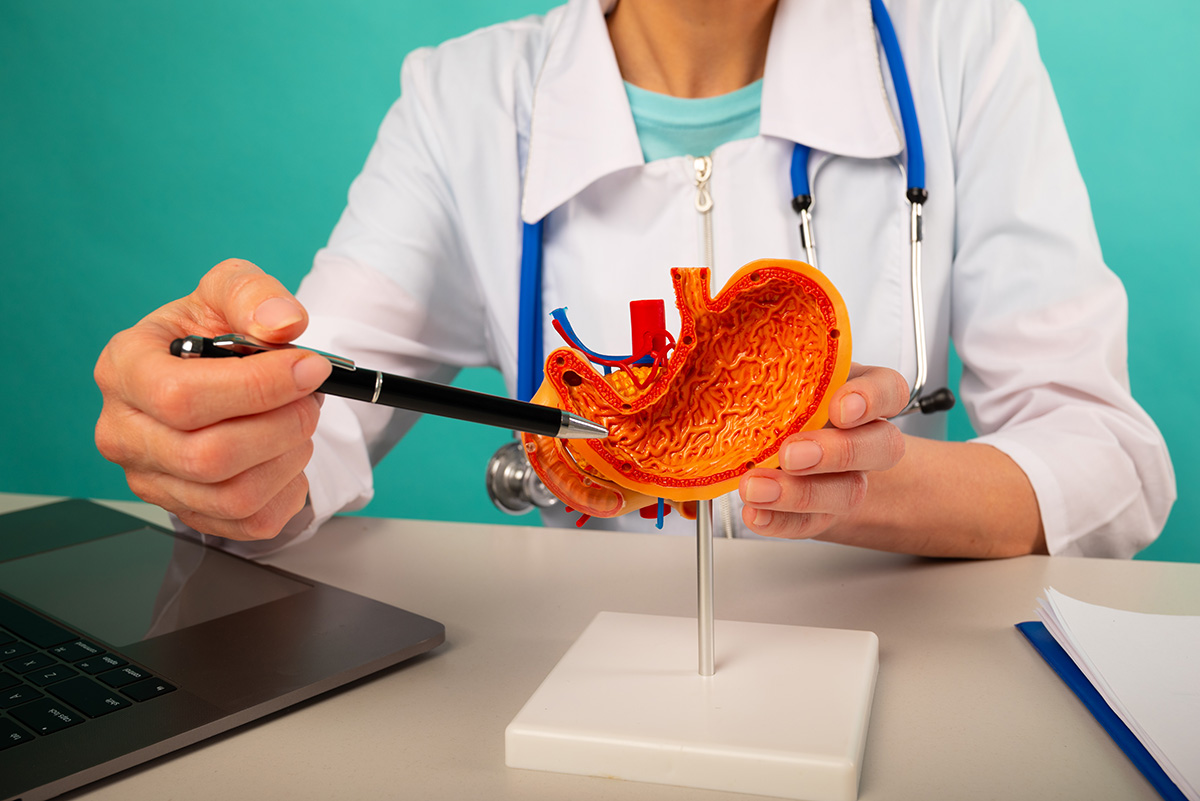
Gastric bypass surgery, also known as Roux-en-Y gastric bypass, is one of the most common types of weight-loss surgery. It is a bariatric procedure designed to help individuals with severe obesity or related health issues achieve significant, long-term weight loss. The surgery works by both reducing the size of the stomach and altering the digestive process, limiting the amount of food a person can consume and absorb.
How Does Gastric Bypass Work?
The procedure involves two key steps:
- Creating a Small Stomach Pouch: The surgeon divides the stomach into two sections, a small upper pouch and a larger lower section. The small pouch, about the size of a walnut, holds only a small amount of food (around one ounce), drastically limiting the amount of food you can eat at once.
- Rerouting the Digestive System: The small intestine is cut and attached to the small stomach pouch, bypassing a significant portion of the stomach and the first part of the small intestine (the duodenum). This reduces the absorption of calories and nutrients, contributing to weight loss.
By both restricting food intake and reducing nutrient absorption, gastric bypass leads to rapid weight loss, often within the first six months to a year after surgery.
Who is a Candidate for Gastric Bypass Surgery?
Gastric bypass surgery is typically recommended for individuals who:
- Have a body mass index (BMI) of 40 or higher (severe obesity).
- Have a BMI of 35 or higher with obesity-related health conditions, such as type 2 diabetes, hypertension, sleep apnea, or heart disease.
- Have not had success with other weight-loss methods, such as diet and exercise, or require more immediate intervention due to health risks.
Candidates must also be willing to commit to long-term lifestyle changes, including adjustments in diet, physical activity, and routine medical follow-ups.
Benefits of Gastric Bypass Surgery
Gastric bypass surgery offers several potential benefits:
- Significant Weight Loss: Patients typically lose 60-80% of their excess weight within the first year.
- Improvement of Obesity-Related Conditions: The surgery can lead to improvement or resolution of conditions like type 2 diabetes, high blood pressure, sleep apnea, and heart disease.
- Increased Quality of Life: Many patients experience enhanced mobility, improved self-esteem, and a better overall quality of life post-surgery.
- Long-Term Weight Maintenance: When combined with a healthy lifestyle, gastric bypass can offer sustained weight loss over many years.
Risks and Complications
While gastric bypass surgery is highly effective, it does carry risks, both during and after the procedure. These include:
- Infection or bleeding: Like any major surgery, there is a risk of surgical complications.
- Nutrient Deficiencies: Because the surgery reduces nutrient absorption, patients are at risk of deficiencies in vitamins and minerals, such as vitamin B12, iron, calcium, and folate. Long-term supplementation is often required.
- Dumping Syndrome: This occurs when food moves too quickly from the stomach to the small intestine, causing symptoms like nausea, diarrhea, dizziness, and weakness.
- Surgical Complications: Rarely, patients may experience hernias, ulcers, or issues with the placement of surgical staples.
It is important to discuss these risks with a qualified bariatric surgeon to understand how they apply to your individual situation.
Life After Gastric Bypass Surgery
Gastric bypass is not a “quick fix” for obesity. While the surgery helps jumpstart weight loss, patients must adhere to significant lifestyle changes to maintain their results:
- Dietary Adjustments: Patients must follow a specific diet after surgery, starting with liquids and gradually progressing to soft foods and, eventually, solid foods. Portion control and mindful eating are key to preventing complications and ensuring long-term success.
- Physical Activity: Regular exercise is crucial to maintaining weight loss and improving overall health. A tailored fitness plan will likely be recommended.
- Regular Monitoring: Patients need to attend follow-up appointments to monitor their health, nutritional intake, and weight loss progress. Routine blood tests may be necessary to check for vitamin deficiencies.
Is Gastric Bypass Right for You?
Deciding to undergo gastric bypass surgery is a personal and serious decision. It is crucial to weigh the potential benefits against the risks and to consider the commitment to lifelong changes in diet and lifestyle. Consulting with a qualified bariatric surgeon and a medical team will help determine if gastric bypass is the best option for your weight loss journey.