
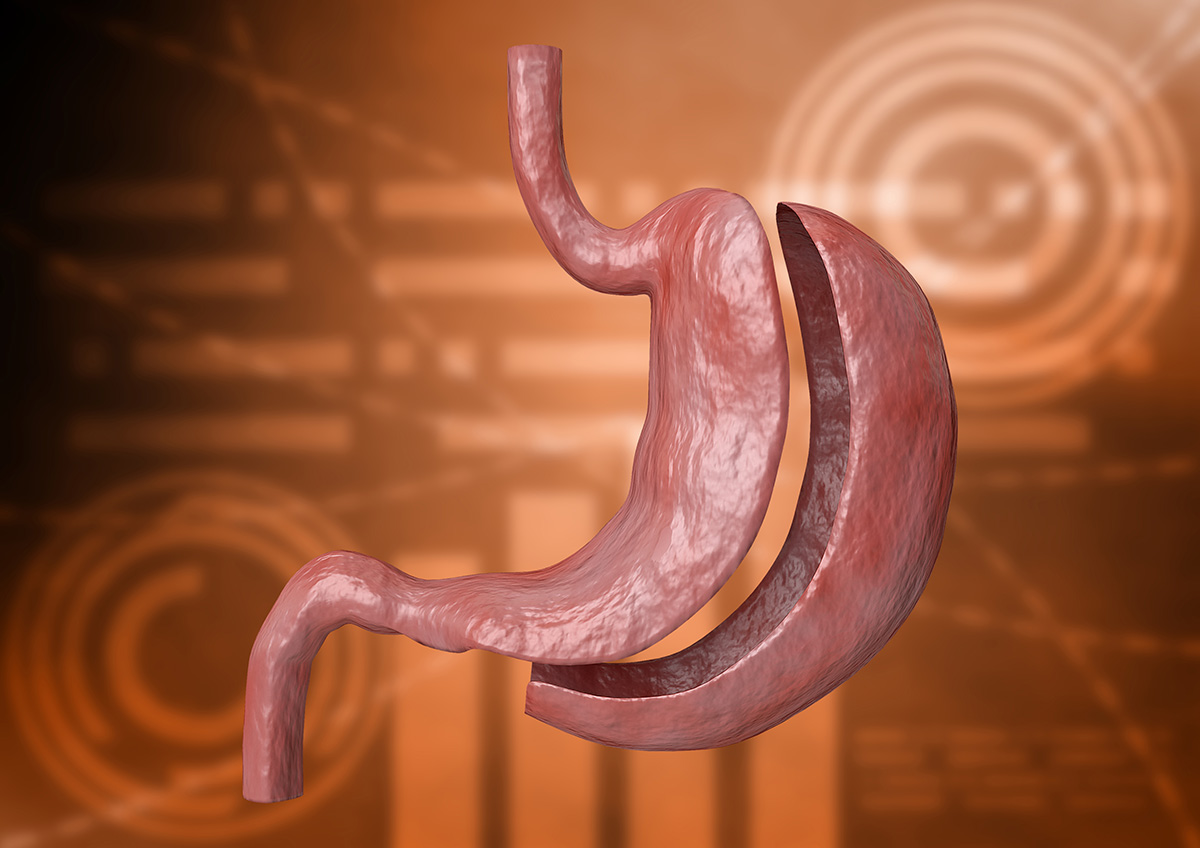
Gastric sleeve surgery, also known as sleeve gastrectomy, is a type of bariatric surgery that aids in weight loss by permanently reducing the size of the stomach. During the procedure, approximately 70-80% of the stomach is removed, leaving behind a narrow, tube-like “sleeve.” This limits the amount of food that can be eaten at one time, promoting weight loss by reducing hunger and portion sizes.
Unlike gastric bypass, the digestive tract remains intact, which means there is no alteration of the intestines. This procedure is irreversible and primarily aimed at helping individuals who struggle with severe obesity and related health issues.
How Does Gastric Sleeve Surgery Work?
Gastric sleeve surgery works by restricting the volume of the stomach, which significantly reduces the amount of food you can consume before feeling full. The smaller stomach size also leads to hormonal changes, specifically reducing the production of ghrelin, the hormone that stimulates appetite. This helps reduce cravings and hunger, contributing to long-term weight loss.
The surgery is typically performed laparoscopically, using small incisions and specialized tools, which minimizes recovery time and scarring.
Who is a Candidate for Gastric Sleeve Surgery?
Gastric sleeve surgery is generally recommended for individuals who:
- Have a body mass index (BMI) of 40 or higher, indicating severe obesity.
- Have a BMI of 35 or higher with obesity-related health conditions such as type 2 diabetes, high blood pressure, heart disease, or sleep apnea.
- Have been unsuccessful with traditional weight loss methods like diet and exercise.
- Are prepared to commit to lifelong dietary changes, physical activity, and medical follow-up to maintain the results of the surgery.
The procedure may also be considered for individuals who are unable to undergo other bariatric surgeries due to health risks.
Benefits of Gastric Sleeve Surgery
Gastric sleeve surgery offers a number of advantages, especially for those seeking a highly effective weight-loss procedure:
- Significant Weight Loss: Patients typically lose 60-70% of their excess weight within the first 12-18 months after surgery.
- Improvement in Obesity-Related Conditions: Many patients experience significant improvement or complete resolution of conditions such as type 2 diabetes, hypertension, high cholesterol, and sleep apnea.
- No Foreign Objects: Unlike the gastric band, no medical devices are placed in the body, and there is no need for adjustments after surgery.
- Reduced Appetite: The removal of part of the stomach decreases the production of ghrelin, leading to a reduction in appetite and cravings.
- Less Complex Than Gastric Bypass: Since there is no rerouting of the intestines, gastric sleeve surgery is simpler and carries fewer risks of complications related to nutrient absorption.
Risks and Complications of Gastric Sleeve Surgery
As with any major surgery, gastric sleeve surgery carries potential risks and complications:
- Infection and Bleeding: As with any surgery, there is a risk of infection or excessive bleeding at the incision sites.
- Staple Line Leaks: After the surgery, there is a small risk of a leak where the stomach has been stapled, which may require additional treatment or surgery.
- Nutrient Deficiencies: Since the stomach is smaller, patients may absorb fewer nutrients from food, which can lead to deficiencies in vitamins and minerals such as B12, iron, and calcium. Long-term supplementation may be necessary.
- Gastroesophageal Reflux Disease (GERD): Some patients may experience worsening acid reflux after surgery.
- Nausea and Vomiting: In the early weeks following surgery, patients may experience nausea or vomiting if they eat too quickly or consume too much food.
Life After Gastric Sleeve Surgery
Gastric sleeve surgery requires significant lifestyle changes to ensure long-term success. After the procedure, patients must follow a specific post-operative diet that transitions from liquids to soft foods and eventually solid foods over several weeks. Portion control and mindful eating become essential, as the new, smaller stomach can only hold small amounts of food.
Patients are encouraged to follow a balanced diet rich in protein, fruits, and vegetables, and they may be required to take vitamin and mineral supplements to prevent deficiencies.
Regular physical activity is also crucial to maintaining weight loss and improving overall health. Exercise helps boost metabolism and preserve lean muscle mass, which is especially important during periods of rapid weight loss.
Long-term follow-up care is essential to monitor weight loss progress, address any nutritional concerns, and ensure overall health and well-being. Many clinics offer support programs that include nutritional counseling, fitness guidance, and psychological support to help patients stay on track.
How Much Weight Can You Lose with Gastric Sleeve Surgery?
Weight loss after gastric sleeve surgery can be significant. On average, patients lose about 60-70% of their excess weight within the first 18 months. For example, if a person is 100 pounds overweight, they can expect to lose approximately 60-70 pounds. However, individual results vary depending on factors such as adherence to dietary guidelines, exercise, and follow-up care.
Is Gastric Sleeve Surgery Right for You?
Gastric sleeve surgery is an effective and permanent weight-loss solution for individuals struggling with severe obesity. However, it is not a “quick fix.” Success with this procedure requires a commitment to long-term lifestyle changes, including healthy eating, regular exercise, and ongoing medical care.
If you are considering gastric sleeve surgery, it’s important to consult with a qualified bariatric surgeon to discuss your health needs, potential risks, and whether this procedure is the best option for your weight loss journey.